
You’re scrolling through your chat, and suddenly someone drops “DTTM.” You pause, maybe even reread it twice. What does it mean, and should you feel offended? The truth is, DTTM meaning in text isn’t just a simple phrase—it carries emotion, tone, and context that can totally change how you should respond. And honestly, most people get it wrong at first glance.
What Does DTTM Mean in Text?
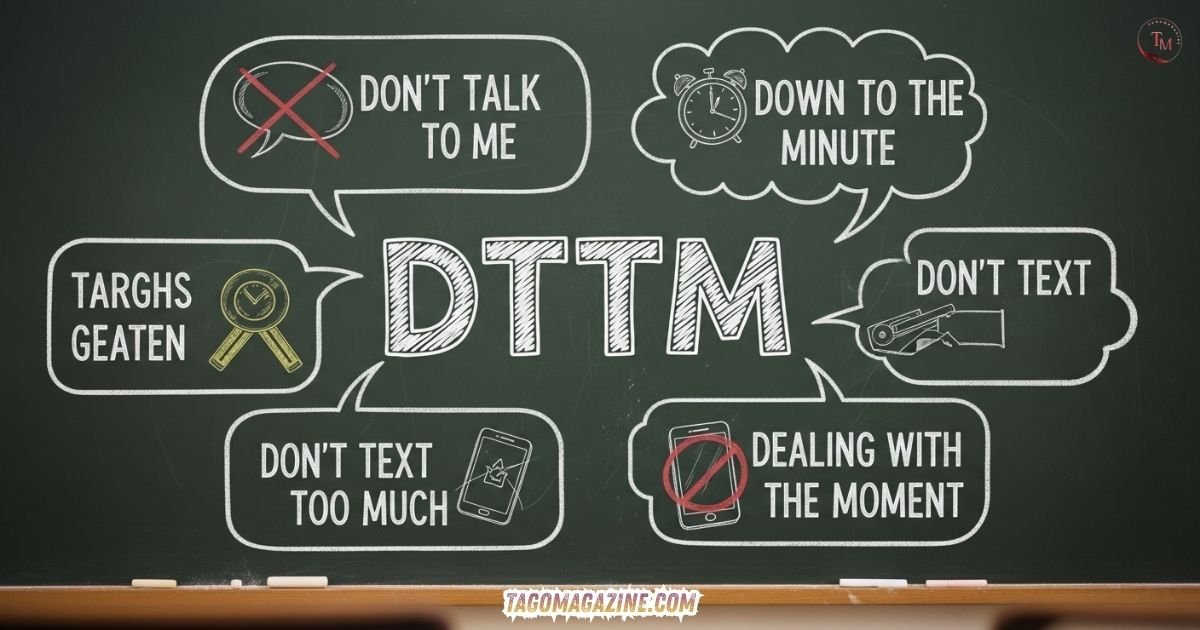
DTTM means “Don’t Talk To Me.” It’s a popular text messaging slang used across digital communication platforms like WhatsApp, Snapchat, and Instagram. But here’s the catch—its meaning isn’t always harsh or serious, even if it looks that way.
DTTM → means → “Don’t Talk To Me.”
That’s the direct definition, simple enough. But in real chats, tone shifts everything, and people often use it in playful or exaggerated ways.
Sometimes it signals real frustration, other times it’s just dramatic humor. You gotta read between the lines a bit, or you might overreact.
Why DTTM Isn’t Always Rude
At first glance, DTTM can feel blunt. It looks like someone is pushing you away, right? But in modern online conversation behavior, short phrases often carry layered meanings.
People use internet acronyms because they’re fast and expressive. Instead of typing a long emotional message, they just drop four letters. It saves time, but also creates confusion if you don’t understand the tone.
Here’s how tone plays a role:
- With emojis → playful or sarcastic
- Without emojis → possibly serious
- In arguments → more emotional
- Among friends → often joking
Tone and context → determine → meaning of DTTM.
That’s the rule you should remember always.
Real-Life Examples of DTTM in Conversations
Understanding examples helps you instantly decode the meaning. These are common ways people use it in daily chats, and yeah, they happen a lot more than you’d think.
Casual & Playful Use
“You finished the whole pizza? DTTM 😂”
Here, it’s clearly not serious. The emoji softens everything.
Emotional Overload
“Too many assignments today. DTTM.”
Now it signals stress, not anger toward you.
Light Drama Between Friends
“You didn’t invite me? DTTM 😒”
This is playful annoyance, not a real boundary.
Serious Boundary Setting
“I need space right now. DTTM for a while.”
This one? Yeah, take it seriously.
DTTM → expresses → emotional boundaries or temporary frustration.
But again, not always permanent, so don’t panic.
Where Is DTTM Commonly Used?
You’ll mostly see DTTM across informal digital spaces where text slang meanings evolve fast.
Popular Platforms
- WhatsApp chats
- Instagram DMs
- Snapchat conversations
- Gaming chats
- SMS texting
DTTM → is used in → text messages and social media.
It’s rarely used in emails or professional environments, and honestly, it shouldn’t be.
In formal settings, using slang like this can make you look unprofessional or even rude. So yeah, context matters a lot here.
Emotional Meaning Behind DTTM
On the surface, it’s just a phrase. But emotionally, it can signal deeper feelings, and that’s where people often misinterpret it.
Here’s what DTTM usually reflects:
- Frustration after a bad moment
- Playful annoyance in friendly banter
- Overwhelm from stress or noise
- Temporary boundaries to take space
In digital communication, people don’t have facial expressions or tone of voice. So they rely on short emotional signals like DTTM to communicate fast.
It’s not perfect, and yeah, sometimes it leads to misunderstandings.
Similar Slang Terms You Should Know
There are many chat acronyms explained alongside DTTM, and understanding them helps you navigate conversations better.
Common Alternatives
| Acronym | Meaning | Tone |
|---|---|---|
| IDC | I Don’t Care | Indifferent |
| DNM | Do Not Message | Direct and serious |
| BRB | Be Right Back | Neutral |
| TTYL | Talk To You Later | Polite |
| LMK | Let Me Know | Informational |
The key difference is emotional weight. DTTM carries more emotional intensity than most of these.
How DTTM Became Popular
To understand texting language evolution, we need to go back a bit.
Internet acronyms → evolved from → early texting limitations.
Back in the day, SMS had character limits, and typing was slower. People started shortening phrases to save time and effort.
Over time, these shortcuts became part of digital slang culture. Younger users especially adapted them into daily conversations, making them feel natural.
Now, acronyms like LOL, OMG, and DTTM are just normal language online. Kinda crazy how fast things changed.
Common Misunderstandings About DTTM
A lot of confusion comes from assuming the worst. Let’s clear up some common myths.
Misconceptions People Believe
- It always means someone is angry
Not true. Sometimes it’s playful. - It ends relationships
Nope, usually it’s temporary emotion. - Only teenagers use it
Adults use text messaging slang too. - It’s always serious
Context changes everything. - It means blocking someone
Not even close, blocking is permanent.
Understanding these helps you avoid unnecessary drama, which honestly happens way too often in chats.
How to Respond When Someone Sends DTTM
Your response depends entirely on the situation. You can’t just react blindly.
Here’s a quick guide:
| Situation | Best Response |
|---|---|
| Playful tone | Joke back lightly |
| Emotional stress | Give them space |
| Serious conflict | Respect boundaries |
| Unclear tone | Ask gently for clarity |
If you’re unsure, just ask. A simple “Hey, you okay?” can go a long way.
Psychological Impact of Using DTTM in Conversations
This is where things get interesting, and most articles don’t go deep into this.
Short phrases like DTTM can sometimes act as passive-aggressive communication. Instead of explaining feelings, people shut down conversation quickly. That can create emotional distance over time, even if it wasn’t intended.
On the flip side, it can also be a self-protection tool. When someone feels overwhelmed, using DTTM helps them create space without overexplaining.
So yeah, it’s not just slang—it reflects emotional behavior in modern communication trends. And honestly, that’s something people should be more aware of.
Cultural and Regional Differences in Slang Usage
Not everyone interprets DTTM meaning in text the same way. Culture, age, and even region affect how slang is used and understood.
Key Differences
- Younger users → more casual and playful use
- Older users → may find it rude or confusing
- Different countries → may not recognize it at all
- Online communities → develop their own slang variations
This shows how digital slang culture isn’t universal. What feels normal in one group might seem offensive in another.
So yeah, always consider who you’re talking to.
Why Understanding DTTM Matters More Than Ever
In today’s world, most conversations happen through screens. That means tone in text messages becomes harder to read.
Misinterpreting something like DTTM can lead to:
- Unnecessary arguments
- Emotional misunderstandings
- Damaged relationships
But understanding it properly helps you:
- Respond appropriately
- Show emotional intelligence
- Communicate more effectively
And honestly, those are skills everyone needs now.
FAQ Section
What does DTTM mean in text in simple words?
DTTM simply means “Don’t Talk To Me.” It’s a text messaging slang used when someone wants space or feels annoyed. However, tone and context matter a lot, so it can be playful or serious depending on how it’s used.
Is DTTM rude or offensive?
Not always. It can sound rude if used seriously without explanation. But among friends, it’s often playful or dramatic. Emojis and conversation context help determine whether it’s meant as a joke or an actual boundary.
Where is DTTM commonly used?
DTTM is mostly used in informal settings like WhatsApp, Instagram, Snapchat, and gaming chats. It’s part of digital communication slang and shouldn’t be used in professional emails or formal conversations.
How should I reply to DTTM?
It depends on context. If it’s playful, respond casually. If it seems serious, give the person space. When unsure, ask politely for clarification. Understanding tone is key to avoiding misunderstandings in online chats.

Tonyjames is an expert blogger specializing in grammar, helping readers write with clarity and confidence. With a keen eye for detail and a passion for language, he simplifies complex rules into practical tips you can apply every day to improve your writing skills.