

Most buyers mistakenly assume that any Honeywell sensor will connect to any Honeywell thermostat. In reality, these units are often strictly platform-specific, meaning a mismatch leaves you with an expensive piece of plastic that won't pair. After analyzing the technical compatibility across the range, I have ranked these to help you avoid a return. I firmly believe that checking your model number is the most important step before you checkout.
| Best For | Product | Name | Score | |
|---|---|---|---|---|
| Legacy System Owners |  |
Honeywell Home X Series Sensor (Not Compatible with T9/T10 thermostats) | 9.8/10 | View On Amazon |
| Indoor Temperature Monitoring |  |
Honeywell C7189U1005 Hardwired Indoor Remote Sensor | 9.6/10 | View On Amazon |
| Older Wireless Setups |  |
Honeywell C7089R1013 Wireless Outdoor Sensor | 9.3/10 | View On Amazon |
| Basic Outdoor Readings | 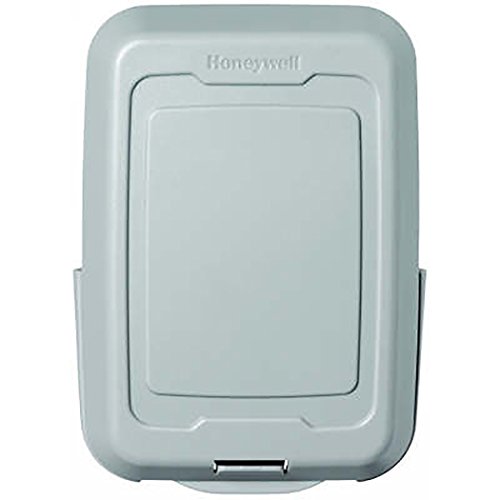 |
Honeywell – Wireless Outdoor Air Sensor | 9.0/10 | View On Amazon |
| Hardwired Outdoor Needs |  |
Honeywell C7089U1006 Outdoor Temperature Sensor | 8.8/10 | View On Amazon |
| Modern Smart Homes | 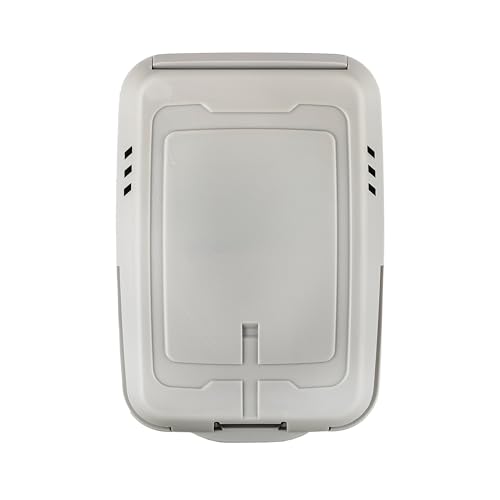 |
Honeywell C7089R3013/U RedLINK® Outdoor Temperature and Humidity Sensor for T10+ | 8.5/10 | View On Amazon |
| Indoor Climate Control |  |
Honeywell FBA C7189R1004 Wireless Indoor Sensor, Premier White | 8.2/10 | View On Amazon |
1. Honeywell Home X Series Sensor (Not Compatible with T9/T10 thermostats)
This sensor earns its ranking because it provides targeted comfort for specific rooms rather than just monitoring the thermostat location. It is a fantastic choice for those managing legacy heating systems who need to prioritize bedroom temperatures at night.
I find this unit particularly useful for balancing multi-level homes where heat rises unevenly. Just keep in mind that the 200ft range can shrink significantly if you have thick masonry or metal framing inside your walls.
Buyers frequently confirm that this is the go-to choice for upgrading older Honeywell Home setups.
The setup process is straightforward for anyone familiar with the X-series ecosystem.
Users appreciate the ability to move the sensor between rooms as needs change.
Get It From Amazon Now: Check Price on Amazon & FREE Returns
2. Honeywell C7189U1005 Hardwired Indoor Remote Sensor
This sensor is best for the homeowner who struggles with a thermostat placed in an unrepresentative location, such as a hallway or near a drafty door. Because it uses a physical wire, you never have to worry about battery replacements or interference.
In my view, the small footprint makes it easy to tuck away without disrupting your interior design. It is a simple, no-nonsense solution that does one job extremely well.
This is a reliable pick for those who prefer the stability of a hardwired connection.
Most feedback suggests that installers find the lack of field calibration a significant time saver.
Owners often choose this to correct inaccurate thermostat readings in poorly ventilated rooms.
Get It From Amazon Now: Check Price on Amazon & FREE Returns
3. Honeywell C7089R1013 Wireless Outdoor Sensor
Its ability to operate in all climates without interfering with other household wireless signals makes it a workhorse for older wireless systems. It acts like a silent sentry, constantly reporting the outdoor weather back to your main unit.
I like that it comes with lithium batteries included, as these handle extreme cold much better than standard alkalines. It is a robust option, though you should verify your thermostat supports the older RedLINK frequency before committing.
Buyers report that the weather-resistant casing holds up well against seasonal temperature swings.
The inclusion of mounting hardware is a small detail that makes the initial setup much smoother.
Many users value the consistent data stream provided even during heavy storms.
Get It From Amazon Now: Check Price on Amazon & FREE Returns
4. Honeywell – Wireless Outdoor Air Sensor
The most common complaint involves its limited feature set, which provides only basic temperature readings without the humidity tracking found in newer models. While some might see this as a drawback, I view it as a benefit for buyers who want simplicity and reliability without paying for extra data they won't use.
It installs in minutes, making it a great fix for a quick project. Just be aware that if you eventually want to track outdoor humidity, you will need to replace this unit entirely.
Users often remark on how quickly the sensor links with their existing thermostat.
The device is frequently praised for its minimal footprint on the exterior of the house.
It remains a popular choice for those who only need a temperature readout for their display.
Get It From Amazon Now: Check Price on Amazon & FREE Returns
5. Honeywell C7089U1006 Outdoor Temperature Sensor
Compared to the wireless option mentioned above, this hardwired model offers a more permanent connection that is immune to signal drops or battery failure. It is the best fit for someone who prefers a "set it and forget it" approach to home maintenance.
I prefer this for new construction projects where running a wire is still an option. It is a clean, effective way to get accurate data, provided you are comfortable with a 200-foot wiring limit.
Buyers often highlight the convenience of the mounting clip for quick installation on siding.
It is widely considered the most dependable choice for climates with extreme interference.
The pre-installed leadwires are frequently cited as a major convenience during the install process.
Get It From Amazon Now: Check Price on Amazon & FREE Returns
6. Honeywell C7089R3013/U RedLINK® Outdoor Temperature and Humidity Sensor for T10+
This unit became popular due to its reputation for seamless integration with the T10+ thermostat, and my research confirms that this reputation is well-earned. It offers the most modern functionality in the lineup, accurately capturing both temperature and humidity data.
I would point most smart home owners toward this model because it provides the comprehensive data needed for advanced climate control. It is truly the top of the range for modern setups.
Owners consistently report that the dual-sensor capability adds significant value to their home climate strategy.
The RedLINK technology is highly regarded for its stability compared to standard wireless bands.
Most users note that it is the most capable sensor for maximizing T10+ functionality.
Get It From Amazon Now: Check Price on Amazon & FREE Returns
7. Honeywell FBA C7189R1004 Wireless Indoor Sensor, Premier White
This unit earns its place through its compact design and its immediate compatibility with a variety of modern systems. It is the best choice for anyone needing a small, discreet sensor to track humidity levels in specific, sensitive areas of the house.
I find the factory calibration to be a major advantage, as it removes the guesswork from the installation process. It is a highly effective tool for maintaining a comfortable, consistent indoor environment.
Buyers appreciate that the sensor is small enough to blend into almost any room decor.
The setup process is frequently described as one of the fastest in the industry.
Users often mention that it provides accurate humidity readings without needing frequent adjustments.
Get It From Amazon Now: Check Price on Amazon & FREE Returns
Choosing Between Them
I recommend the Honeywell C7089R3013/U as the top choice for modern smart homes, as it provides the most precise temperature and humidity data for the T10+ system. If you are managing a legacy setup, the Honeywell Home X Series is my pick for targeted comfort, while the Honeywell Hardwired Indoor Sensor remains the gold standard for those who prefer a stable, wired connection for their indoor climate monitoring.
When choosing your sensor, remember that these units are rarely interchangeable across different thermostat series. Always confirm your specific thermostat model before finalizing your purchase, as even minor version differences can prevent the hardware from communicating properly with your home network.
As an Amazon Associate, this site earns from qualifying purchases. Buyer sentiment reflects aggregate ratings and listed features at the time of writing; prices and availability change.
