

Choosing a graphics card involves balancing ultra-budget models against feature-rich premium options. I have carefully compared these nine choices and studied comprehensive buyer feedback to see how they perform in daily use. In my view, the differences in power draw matter just as much as raw frame rates. Let us look at an honest, ranked comparison of how these cards handle energy efficiency.
1. RX 580 8GB Graphics Card GDDR5 256-Bit | Native HDMI 2.0 x6, PCIe 3.0 x16,DirectX 12,Need 6-Pin Connector

This unit earned its spot on the list because of its specialized multi-display strength. Having six active HDMI outputs makes it a rare find for control rooms or financial setups.
Drawing a maximum of 80 watts TDP, it keeps power consumption surprisingly low for a card of this class. I would suggest keeping expectations grounded for heavy 3D gaming, since this is built primarily for productivity.
Buyers note that the six-monitor setup significantly improves daily workflow and productivity.
Users appreciate the energy-saving 80-watt power draw during long office hours.
Reviewers confirm smooth playback for high-resolution video streams on multiple screens.
Get It From Amazon Now: Check Price on Amazon & FREE Returns
2. Sapphire Radeon 11265-05-20G Pulse RX 580 8GB GDDR5 Dual HDMI/ DVI-D/ Dual DP OC with Backplate (UEFI) PCI-E Graphics Card Graphic Cards

This model suits system builders who want a reliable performance balance without breaking the bank. It takes my top spot because it marries solid cooling with sensible power demands.
The card features a boost clock of 1366 MHz alongside durable capacitor design. In my opinion, this represents the sweet spot for daily gaming without overheating your workspace.
Buyers frequently praise the dual-fan cooling for keeping temperatures stable.
Users highlight the solid build quality and reliable high-polymer capacitors.
Reviewers find the power consumption manageable for standard desktop power supplies.
Get It From Amazon Now: Check Price on Amazon & FREE Returns
3. XFX Radeon RX 580 GTS XXX Edition 1386MHz OC+, 8GB GDDR5, VR Ready, Dual BIOS, 3xDP HDMI DVI, AMD Graphics Card (RX-580P8DFD6) (Renewed)

An interesting feature here is the Dual BIOS flexibility, which gives you a handy backup option right out of the box. From there, the card expands into a powerhouse built on advanced architecture.
It pushes factory clocks up to 1386 MHz OC+ for users who want extra graphical muscle. I think the Double Dissipation cooling makes a strong case for anyone planning extended sessions.
Buyers like having the safety net of a dual BIOS switch.
Users report smooth performance during demanding gaming sessions.
Reviewers note that the cooling technology handles higher clock speeds effectively.
Get It From Amazon Now: Check Price on Amazon & FREE Returns
4. XFX Radeon RX 580 GTS XXX Edition 1386MHz OC+, 8GB GDDR5, VR Ready, Dual BIOS, 3xDP HDMI DVI, AMD Graphics Card (RX-580P8DFD6)

The most common buyer complaint centers around needing a robust 500-watt power supply, which can catch budget builders off guard. Once you meet that electrical requirement, however, the card delivers dependable performance.
It relies on the 14nm FinFET process to keep efficiency relatively high under load. In my view, the extra power overhead is a small price to pay for genuine VR-ready capability.
Buyers emphasize the need to check power supply wattage before installing.
Users mention the smooth and low-latency virtual reality experience.
Reviewers point out that factory overclocks provide a noticeable performance bump.
Get It From Amazon Now: Check Price on Amazon & FREE Returns
5. AISURIX RX 590 Graphics Card, Real 8GB, GDDR5, 256 Bit, RX 580 2304SP Pc Gaming Video Card, 2XDP, HDMI, PCI Express 3.0 with Freeze Fans Graphics Card for Gaming pc

Stepping up slightly from the previous XFX model, this card trades base RX 580 architecture for a refined 12nm layout. That architectural shift gives it a distinct edge in raw pixel processing.
It relies on dual 90mm fans to manage heat during intense 1080p gaming sessions. I find this a compelling alternative if you want slightly higher frame rates while respecting strict power limits.
Buyers note the solid frame rates achieved at 1080p resolution.
Users appreciate the copper heat pipes for keeping operating temperatures low.
Reviewers highlight the balance between work tasks and casual gaming.
Get It From Amazon Now: Check Price on Amazon & FREE Returns
6. MOUGOL AMD Radeon RX 580 8GB GDDR5 Gaming Graphics Card, HDMI/DP/DVI Port | 256-Bit 2048SP PCIe X16 3.0 GPU, HDMI/DP/DVI Triple Output, Dual Fan Cooling Video Card, for Windows 11/10/7 Desktop PC

This card gained popularity through its reputation as an accessible entry point for desktop upgrades. That reputation holds up well for casual users needing dependable triple-display outputs.
It packs 2048 stream processors into a compact frame that fits standard mid-tower cases. I would rank this high for office productivity and light creative work, though it is not built for hardcore enthusiast gaming.
Buyers praise the triple-display connectivity for multitasking efficiency.
Users like the compact physical dimensions for easier case installation.
Reviewers confirm stable performance in popular esports titles.
Get It From Amazon Now: Check Price on Amazon & FREE Returns
7. Sapphire 11265-01-20G Radeon Nitro+ RX 580 8GB GDDR5 Dual HDMI / DVI-D / Dual DP with Backplate (UEFI) PCI-E Graphics Card (Renewed)

Exceptional thermal engineering earned this unit its ranking as a top choice for quiet cooling. Sapphire built its reputation on robust fan designs that refuse to sound like a jet engine.
The 256-bit memory bus handles demanding visual loads without excessive stutter. I consider this a fantastic option if you value a silent desktop environment above all else.
Buyers consistently mention the quiet operation of the dual fans.
Users appreciate the inclusion of a sturdy protective backplate.
Reviewers note the strong performance retention on renewed hardware.
Get It From Amazon Now: Check Price on Amazon & FREE Returns
8. 51RISC Radeon RX 580 8GB Graphics Card, GDDR5 256bit 2048SP VR Ready DisplayPort HDMI Video Card for Gaming (RX 580 8GB)

This unit is best for budget-conscious gamers building an entry-level gaming rig. It strips away unnecessary frills to focus purely on core rendering power.
The Ellesmere GPU chip drives a solid 1284 MHz clock speed for everyday titles. In my assessment, this provides a reliable path to VR-ready entertainment without emptying your wallet.
Buyers find the plug-and-play installation straightforward.
Users report sharp and vivid visual experiences in supported games.
Reviewers like the inclusion of a two-year limited warranty.
Get It From Amazon Now: Check Price on Amazon & FREE Returns
9. MSI VGA Graphic Cards RX 580 Armor 8G OC (Renewed)
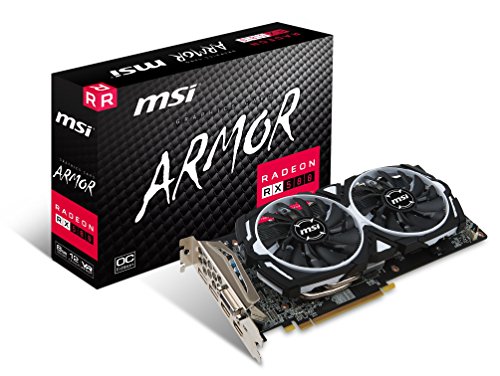
A surprisingly aggressive core clock of 1366 MHz highlights this card, which defies its humble price point. MSI packed serious clock speeds into a clean, no-nonsense aesthetic.
It utilizes the Polaris 20 XTX core to maintain steady DirectX 12 performance. I would direct strict bargain hunters here, provided your rig has the recommended 500W power supply.
Buyers highlight the high base clock speed for the price.
Users report good compatibility with standard Windows operating systems.
Reviewers remind buyers to verify their power supply connections before setup.
Get It From Amazon Now: Check Price on Amazon & FREE Returns
Choosing Between Them
When building your system, matching the right hardware to your specific workflow matters immensely, which is why my top recommendation goes to the Sapphire Pulse Radeon RX 580 for its exceptional performance balance. If you need specialized multi-display setups or strict energy limits, models like the SRhonyra or AISURIX serve those niche roles admirably.
Keep in mind that older architectures can be power hungry during sudden spikes, meaning you should always pair these GPUs with a dependable power supply. Investing in a quality electrical foundation ensures your new graphics card runs smoothly for years to come.
As an Amazon Associate, this site earns from qualifying purchases. Buyer sentiment reflects aggregate ratings and listed features at the time of writing; prices and availability change.
