
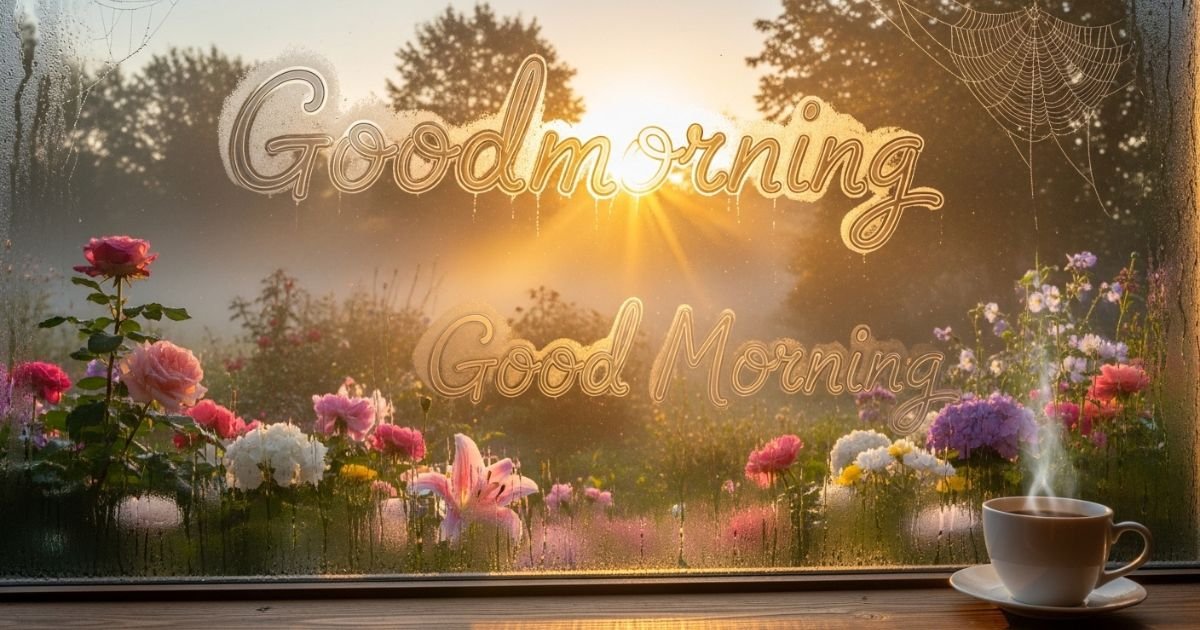
If you’ve ever paused mid-sentence wondering “Goodmorning or Good Morning”, you’re honestly not alone. This tiny detail confuses thousands of people daily, especially in emails and texts. But here’s the thing—getting it right actually matters more than it seems, even if it feels small at first glance.
In today’s fast-moving digital communication platforms, your first impression often starts with a greeting. And yes, even a small slip like writing Goodmorning instead of Good Morning can subtly affect how professional you sound. Let’s break it all down properly.
What’s the Difference Between Goodmorning and Good Morning?
Direct Answer:
“Good Morning” is the correct, grammatically accepted phrase. “Goodmorning” is incorrect and not recognized in standard English.
This difference is not just about spacing—it’s about proper English usage and grammar rules.
| Phrase | Correct Usage | Context | Dictionary Status |
|---|---|---|---|
| Good Morning | ✅ Yes | Formal & Informal | ✅ Recognized |
| Goodmorning | ❌ No | Typo / Incorrect | ❌ Not recognized |
👉 Semantic fact:
Good Morning → is → grammatically correct phrase
Goodmorning → is → incorrect / non-standard spelling
And yeah, it’s kinda like writing “Thankyou” instead of “Thank you”—just doesn’t look right.
Why Getting “Good Morning” Right Actually Matters
Direct Answer:
Using the correct spelling improves your professional communication tone and avoids credibility issues.
Even though it feels like a tiny detail, it can impact how people perceive your writing. Especially in formal communication like:
- Business emails
- Job applications
- Client messages
Here’s the truth:
Incorrect spelling → reduces → credibility in formal writing
And in professional settings, people do notice. Maybe not consciously, but they do.
Is “Good Morning” One Word or Two?
Direct Answer:
“Good Morning” is always written as two separate words.
This is because of its grammatical structure:
- Good → adjective
- Morning → noun
👉 Semantic fact:
Adjective + Noun structure → forms → “Good Morning”
So when you combine them into “Goodmorning,” you break a fundamental English grammar rule. It’s not stylistic—it’s simply incorrect.
Understanding the Grammar Behind “Good Morning”
Let’s simplify this, no overthinking.
The phrase follows a basic sentence structure rule:
- Adjective describes the noun
- The words remain separate
Similar examples include:
- Happy birthday
- Nice job
- Good evening
None of these are combined into one word, right? Same logic applies here.
Also, major dictionary standards like Oxford and Merriam-Webster do not recognize “Goodmorning.” That alone should settle the debate, honestly.
Common Situations Where People Get It Wrong
You’d be surprised how often this mistake shows up. Mostly, it’s not intentional—it just happens.
1. Texting & Messaging Apps
People type fast, and autocorrect doesn’t always help.
- ❌ goodmorning bro
- ✅ good morning bro
2. Social Media Captions
Trendy writing styles often ignore grammar rules.
- ❌ Goodmorning from Dubai
- ✅ Good morning from Dubai
3. Business Emails
This is where it really matters.
- ❌ Goodmorning Sir,
- ✅ Good morning, Sir,
And yeah, one small error here can make you look careless, even if the rest is perfect.
Good Morning in Formal vs Informal Communication
Direct Answer:
The phrase “Good Morning” works in both formal and informal contexts—but tone changes slightly.
| Context | Example | Tone |
|---|---|---|
| Business Email | Good morning, Mr. Ali | Formal & respectful |
| Casual Chat | Good morning! 😊 | Friendly & relaxed |
| Customer Support | Good morning! How may I help? | Professional & warm |
👉 Semantic fact:
Proper greeting usage → impacts → professional communication tone
So yeah, same phrase—but intention and delivery matter a bit.
Capitalization Rules You Should Know
This part confuses people too, not gonna lie.
Direct Answer:
Capitalize “Good Morning” only when:
- It starts a sentence
- It’s used in a subject line or title
Examples:
- ✅ Good morning, how are you?
- ✅ Subject: Good Morning Team
- ❌ I said Good Morning to him yesterday
Inside sentences, it should be lowercase. Simple enough.
Similar Time-Based Greetings (And Their Rules)
All time-based greetings follow the same structure—two words, never combined.
| Phrase | Usage Time |
|---|---|
| Good afternoon | 12 PM – 5 PM |
| Good evening | After 5 PM |
| Good night | Before sleep |
So yeah, if you wouldn’t write “Goodevening,” you shouldn’t write “Goodmorning” either.
Tips to Always Remember the Correct Usage
If you keep forgetting, here are some quick mental tricks:
- Say it out loud—you’ll naturally pause between words
- Think: adjective + noun = separate words
- Compare with “Thank you” or “Nice day”
- Use grammar tools like Grammarly
Honestly, once you get used to it, it becomes automatic. You won’t even think about it anymore.
Good Morning in Other Languages
It’s kinda interesting how different cultures greet mornings.
- Spanish: Buenos días
- French: Bonjour
- German: Guten Morgen
- Japanese: Ohayō gozaimasu
Even though structures vary, the idea of a polite morning greeting remains universal. Language is funny like that, right?
The Historical Evolution of “Good Morning” (Topical Gap Covered)
Direct Answer:
“Good Morning” evolved from traditional English greeting patterns that maintain adjective + noun separation.
Historically, English has resisted merging phrases like this unless they become compound nouns over time (like “notebook”). But greetings stayed separate because they function as expressions, not objects.
So:
- “Good morning” = expression
- “Bedroom” = compound noun
That’s why Goodmorning never became standard, even with modern texting habits.
SEO & Digital Writing Impact of “Good Morning” (Topical Gap Covered)
This is something competitors barely talk about—but it’s important.
Direct Answer:
Correct spelling improves readability, SEO clarity, and user trust.
Here’s how:
- Search engines recognize “Good Morning” as a valid phrase
- Incorrect spelling reduces keyword relevance
- Clean grammar improves user experience signals
👉 In simple terms:
Better grammar = better readability = better SEO performance
Also, tools analyzing English vocabulary rules and readability scores may penalize incorrect forms like “Goodmorning.”
So yeah, even from an SEO perspective, correctness matters more than people think.
Final Verdict: Always Use “Good Morning”
Let’s keep it simple.
- Good Morning = correct, professional, universally accepted
- Goodmorning = incorrect, typo, avoid completely
And honestly, it’s not just about grammar—it’s about how you present yourself in writing. Small details build trust, even if people don’t explicitly say it.
So next time you type a greeting, just pause for a second. It’s worth it.
FAQs
Is “Goodmorning” ever acceptable in English?
No, “Goodmorning” is not accepted in standard English. It’s considered a typo or informal error. All dictionaries and grammar authorities recognize only “Good Morning” as the correct form.
Can I use “Good Morning” in a business email?
Yes, it’s one of the most professional and widely accepted greetings. It sets a polite tone and works perfectly in formal communication like emails, reports, and client messages.
Should “Good Morning” always be capitalized?
No, only capitalize it at the beginning of a sentence or in titles. In the middle of a sentence, it should be written in lowercase as “good morning.”
Why do people write “Goodmorning” incorrectly?
Mostly due to fast typing, autocorrect issues, or social media habits. It’s not intentional, but it becomes a common mistake in informal digital communication.

Tonyjames is an expert blogger specializing in grammar, helping readers write with clarity and confidence. With a keen eye for detail and a passion for language, he simplifies complex rules into practical tips you can apply every day to improve your writing skills.