
Many buyers mistakenly assume that any Japanese color guide will automatically include modern digital color codes, ignoring the deep roots of traditional art palettes. I have spent countless hours comparing these editions and reading aggregate buyer feedback to sort out the best options for your studio. Teded would appreciate how straightforward this lineup is. Let us jump straight into my honest ranked comparison of these visual resources.
1. Dictionary Of Color Combinations Volume 2

Volume two earned its specific placement by delivering an entirely fresh batch of historical pairings that expand directly upon the original palette concepts. I find that Seigensha Art Publishing maintains the exact same charming, pocket-sized aesthetic that made the first book famous, making it a wonderful standalone supplement.
And you will notice that the layout keeps distractions to a minimum so the pigment arrangements can speak for themselves. But if you were hoping for extensive historical essays alongside the color plates, you might find the sparse text a bit limiting. In my view, this sequel works best as a direct continuation for anyone who already memorized every page of the predecessor.
Buyers note that this volume expands nicely on the original palette concepts.
Reviewers appreciate the same compact, portable trim size as the first book.
Some users mention wanting more background text regarding the historical origins of these specific pigments.
Get It From Amazon Now: Check Price on Amazon & FREE Returns
2. A Dictionary Of Color Combinations Vol 1 (Japanese Edition)
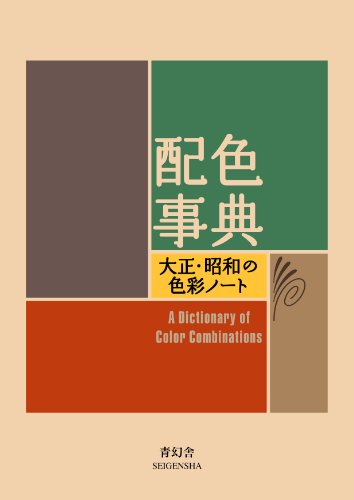
Traditional purists who demand the original Sanzo Wada formulations will find this specific volume hits every single note correctly. I appreciate how this Japanese edition preserves the authentic mid-century design sensibilities without any modern compromises or alterations.
And you get a fascinating glimpse into a mid-century aesthetic that still heavily influences modern textile and graphic work. But keep in mind that the explanatory text leans heavily into Japanese, which can require some extra translation effort if you want deep contextual background. Overall, I think this serves as the ultimate foundational reference for historical color studies.
Users consistently praise the faithful reproduction of the original Sanzo Wada layouts.
Buyers note the heavy reliance on Japanese text for historical notes.
Reviewers highlight the durable pocket format used for this classic printing.
Get It From Amazon Now: Check Price on Amazon & FREE Returns
3. A Dictionary Of Color Combinations Vol.1 and Vol.2 with Japanese Traditional Colors Chart

Bundling both legendary volumes together with a standalone chart is an unexpected touch that instantly solves the dilemma of which book to buy first. I rank this as my top overall choice because it delivers the complete historical spectrum in one cohesive purchase.
And you eliminate the hassle of hunting down individual volumes across different imported book distributors. But buyers should remember that importing multi-book bundles can sometimes mean dealing with fluctuating stock levels online. In my opinion, this comprehensive set offers the absolute best overall value for serious design professionals.
Reviewers love getting both volumes and the bonus color chart in one go.
Buyers point out that availability for this imported bundle can fluctuate frequently.
Users mention that the included chart makes quick color-matching significantly easier.
Get It From Amazon Now: Check Price on Amazon & FREE Returns
4. Japanese Color Dictionary: An Illustrated Dictionary of Color Combinations Inspired by Traditional Japanese Art, Nature, and Design

The most common buyer complaint regarding this illustrated nature guide centers on its departure from the strict minimalist layout of the original Sanzo Wada books. But I think the inclusion of art and nature inspirations provides a welcome contextual bridge for painters and illustrators.
And you gain access to imagery that connects raw color swatches directly to botanical and artistic subjects. But purists might feel that the added illustrations crowd the palettes slightly compared to cleaner archival prints. I consider this a visually rich option for anyone who wants artistic inspiration rooted in natural forms.
Buyers frequently mention the heavier reliance on nature and art imagery.
Reviewers note that the layouts are busier than traditional minimalist swatch books.
Users appreciate the creative bridge between raw colors and visual subjects.
Get It From Amazon Now: Check Price on Amazon & FREE Returns
5. Japanese Color Combinations Book: The Complete Japanese Color Book: A Dictionary of Color Combinations & 245 Traditional Color Palettes with HEX, RGB & CMYK Codes (2026-2027 Edition)
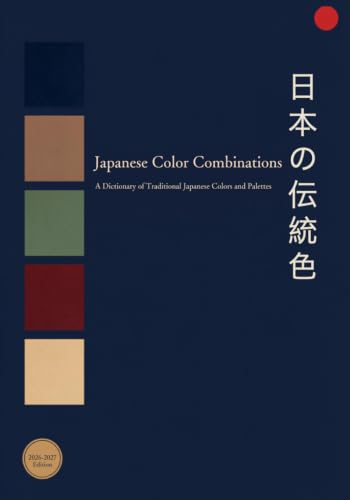
Unlike the strictly historical approach of the bundle ranked above, this edition explicitly bridges the gap by supplying modern digital codes. I find the addition of explicit hex, RGB, and CMYK values to be a massive practical upgrade for digital layout work.
And you no longer have to guess at digital equivalents when translating traditional hues to screen-based projects. But traditionalists might argue that forcing historical pigments into strict digital profiles strips away some of their organic subtlety. To my mind, this serves as the ultimate digital design tool for modern branding tasks.
Reviewers highlight the inclusion of practical HEX, RGB, and CMYK codes.
Buyers appreciate the bridge between historical palettes and modern screen design.
Some users note that digital conversions can occasionally look stark compared to physical print.
Get It From Amazon Now: Check Price on Amazon & FREE Returns
6. Traditional Colors of Japan: Japanese Color Harmony Dictionary: The Complete Guide for Designers and Graphic Artists (Over 2,750 Color Combinations and Patterns with CMYK and RGB References)

This guide built its strong market reputation on sheer volume, packing over 2,750 combinations and patterns into a single layout. I think that promise holds up remarkably well for layout artists who need endless grid variations and pattern pairings.
And you get a massive library of references that will keep layout projects visually diverse for months. But the sheer density of information can occasionally make the pages feel crowded or difficult to browse quickly. My view is that graphic artists will find this a powerhouse resource for layout variety.
Buyers praise the massive collection exceeding 2,750 combinations.
Reviewers note the dense page layouts packed with pattern references.
Users mention that the CMYK and RGB guides save considerable time during prepress work.
Get It From Amazon Now: Check Price on Amazon & FREE Returns
7. Merriam-Webster’s Japanese-English Dictionary – Bilingual, Bidirectional Dictionary – Newest Edition (English and Japanese Edition)

Bidirectional translation strength earned this bilingual reference its placement, keeping communication crystal clear across both English and Japanese terms. I appreciate how Merriam-Webster structures the definitions for straightforward lookup during intense translation work.
And you receive a trustworthy linguistic companion that cuts through complex phrasing with ease. But you should note that this is strictly a language tool rather than an aesthetic color guide. I would direct language translation seekers right here for reliable vocabulary support.
Buyers consistently rely on the clear bidirectional translation format.
Reviewers note the dependable vocabulary depth for everyday Japanese terms.
Users mention the sturdy binding makes it suitable for frequent desk use.
Get It From Amazon Now: Check Price on Amazon & FREE Returns
8. Lonely Planet Japanese Phrasebook & Dictionary: Pocket-Sized Travel Language Guide with 3,500 Words, Essential Phrases, Pronunciation Tips & More

Pocket-sized travel navigation is where this compact language guide truly shines for visitors on the move. I like that Lonely Planet packs 3,500 essential words and pronunciation tips into a format that easily slips into a jacket pocket.
And you get practical phrases that actually get used in real-world travel scenarios instead of archaic textbook jargon. But this product will not help you with graphic design or color theory whatsoever. My recommendation is clear for travel language learners needing quick verbal tools abroad.
Reviewers love the pocket-sized format for travel convenience.
Buyers point out the helpful pronunciation tips included with essential phrases.
Users mention the 3,500-word count covers most basic everyday scenarios.
Get It From Amazon Now: Check Price on Amazon & FREE Returns
9. Modern Colors of Japan: Japanese Color Harmony Dictionary: The Complete Guide for Designers and Graphic Artists (Over 3,300 Color Combinations and Patterns with CMYK and RGB References)

An unexpected focus on contemporary aesthetic trends sets this guide apart, pushing past purely historical palettes to explore modern branding styles. I think this perspective gives it a distinct edge for contemporary commercial projects.
And you benefit from over 3,300 combinations specifically tailored to current design sensibilities. But designers strictly hunting for vintage mid-century layouts might find the modern slant misses their specific historical target. I consider this a stellar asset for modern branding projects requiring fresh visual direction.
Buyers highlight the inclusion of over 3,300 contemporary color combinations.
Reviewers note the distinct shift toward modern commercial design aesthetics.
Users appreciate the integration of practical digital color references.
Get It From Amazon Now: Check Price on Amazon & FREE Returns
10. Japanese Traditional Colors Chart

The most common buyer complaint about this single-sheet resource is its lack of deep explanatory text or multi-page context. But I think that minimalist format is precisely what makes it such a brilliant quick-reference tool for the wall or desk.
And you can scan dozens of traditional hues simultaneously without having to flip through a thick book. But anyone needing detailed color interaction examples or digital codes will need to supplement this chart with a larger manual. My take is that it remains a fantastic budget-friendly option for quick color referencing.
Buyers note the convenient single-sheet format for wall hanging or desk placement.
Reviewers mention the lack of detailed text or digital color codes.
Users appreciate the immediate visual overview of traditional Japanese hues.
Get It From Amazon Now: Check Price on Amazon & FREE Returns
Choosing Between Them
If you lean toward comprehensive inspiration, the A Dictionary Of Color Combinations Vol.1 and Vol.2 with Japanese Traditional Colors Chart is my top overall pick because it bundles both foundational volumes and a handy chart together. For specialized needs, sequel enthusiasts will love Volume 2, digital designers should grab the 2026-2027 edition with hex codes, and travel learners will benefit most from the Lonely Planet phrasebook.
Keep in mind that availability for these imported art books can sometimes fluctuate widely online, so you may need to act quickly when stock appears. I always advise checking multiple suppliers to secure the best price on these niche design references.
As an Amazon Associate, this site earns from qualifying purchases. Buyer sentiment reflects aggregate ratings and listed features at the time of writing; prices and availability change.
