
Ever got a message that just says “YWA” and you paused for a second, wondering what it actually means? You’re not alone, honestly. The YWA meaning in text has confused tons of people, especially since texting slang keeps evolving faster than most of us can keep up. One small abbreviation, yet it can carry attitude, humor, or even a little bit of sass depending on how it’s used.
In today’s world of digital communication, short messages rule everything. People don’t always explain themselves fully, so tiny phrases like YWA end up doing a lot of emotional work. And yeah, if you misunderstand it, things can get awkward real quick.
What Does YWA Mean in Text?
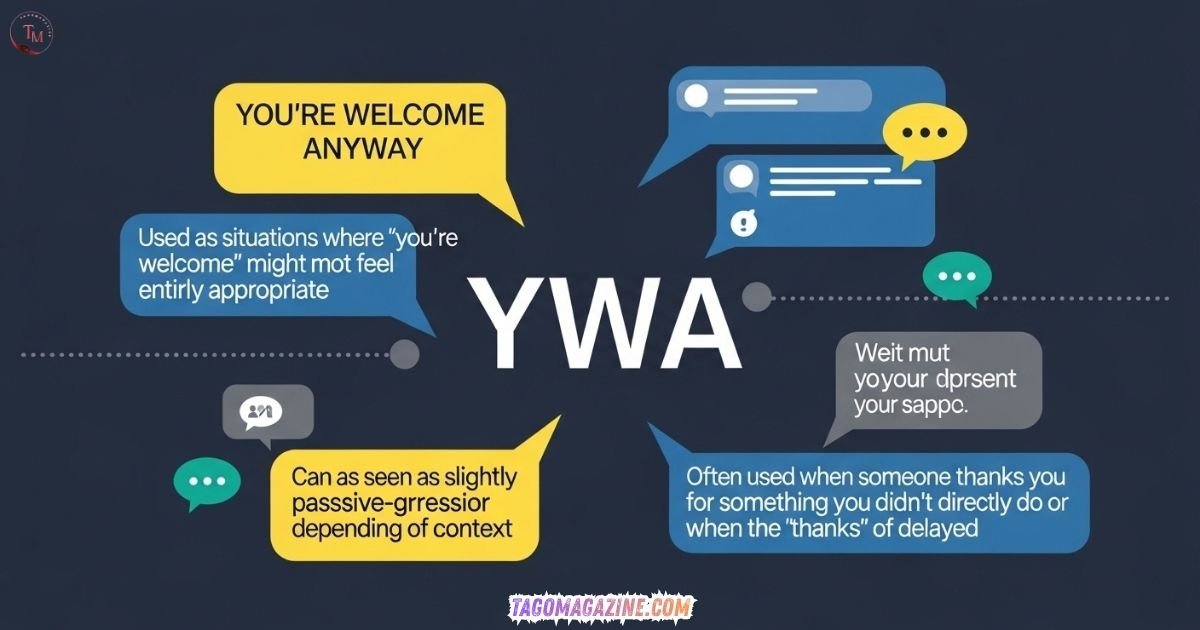
YWA means “You’re Welcome Anyway.”
It’s usually sent when someone helps another person but doesn’t receive a “thank you.” So instead of staying silent, they reply with YWA to point it out—sometimes jokingly, sometimes not really joking at all.
Here’s the simple breakdown:
- YWA → stands for → “You’re Welcome Anyway”
- YWA → expresses → lack of acknowledgment
That’s the core idea, pretty simple but the tone changes everything.
For example:
- “Sent you the notes yesterday… YWA 😅”
- “Opened the door for you… YWA.”
Sometimes it’s playful, other times it feels a bit passive-aggressive, and yeah, that depends on context.
Origin of YWA in Internet Slang
Texting abbreviations evolved from early SMS culture, when people had character limits and slow keypads. Back in the early 2000s, typing full sentences wasn’t convenient, so shortcuts became normal.
Think about classics like:
- LOL (Laugh Out Loud)
- BRB (Be Right Back)
- OMG (Oh My God)
Over time, new abbreviations like YWA started popping up, especially on messaging platforms like WhatsApp, Snapchat, and Twitter/X.
Here’s the key relationship:
- Texting abbreviations → evolve from → internet and SMS culture
YWA didn’t come from any official dictionary. It kinda grew organically as people needed a quick way to express, “Hey… you forgot to thank me.”
How YWA Is Used in Daily Conversations

You’ll mostly see YWA in casual texting situations, not in formal chats. It’s very informal and honestly, using it in a professional email would look weird.
Common situations include:
- When someone forgets to say thank you
You helped them, they ignored it, and you respond with “YWA.” - Playful sarcasm between friends
Friends use it jokingly all the time, no real offense intended. - After doing a favor
You send something helpful, they move on like nothing happened. - Family group chats
Siblings especially love using it to tease each other. - As a meme-style reply
Sometimes it’s just humor, not serious at all.
The tricky part? Same word, different meanings depending on tone. Yeah, that’s where confusion happens.
Emotional Meaning Behind YWA
At first glance, YWA looks like just another texting abbreviation, but it actually reflects something deeper—social acknowledgment.
People want recognition. When they don’t get it, they might use YWA to express that feeling indirectly.
Here’s what it can imply:
- “I noticed you didn’t thank me.”
- “I helped you, just saying.”
- “A little appreciation would’ve been nice.”
So yeah, it’s not just words. It’s emotion wrapped in three letters.
Role of Tone and Emojis in YWA
Emojis modify the tone of YWA, and this is super important.
- Emojis → modify → tone of YWA
Without emojis:
- “YWA.” → can feel blunt or slightly rude
With emojis:
- “YWA 😂” → playful
- “YWA 😅” → light and awkward
- “YWA 😎” → confident or teasing
So if you’re reading YWA, don’t just focus on the letters. Look at emojis, timing, and the relationship between people.
YWA vs Similar Texting Abbreviations
Let’s compare YWA with related terms, because people often mix them up.
| Abbreviation | Meaning | Tone |
|---|---|---|
| YW | You’re Welcome | Polite, neutral |
| YWA | You’re Welcome Anyway | Playful or sarcastic |
| NP | No Problem | Casual, relaxed |
| NBD | No Big Deal | Downplaying effort |
| TY | Thank You | Expressing gratitude |
Key difference:
- YW = response after thanks
- YWA = response when thanks is missing
That small shift changes everything.
Common Misunderstandings About YWA
A lot of people misinterpret YWA, which leads to unnecessary confusion.
Here are some common myths:
- “It’s always rude” → Not true, often it’s just playful
- “It means You’re Welcome Always” → Completely wrong
- “Only teenagers use it” → Nope, adults use it too
- “It’s always sarcastic” → Depends on context
- “It’s aggressive” → Rarely, usually mild or humorous
Understanding tone prevents drama, seriously.
Examples of YWA in Real Texts

Seeing examples makes it easier to understand how it actually works in real life.
- “Sent you the file earlier… YWA 😄”
- “Helped you with that project btw… YWA”
- “Told you the answer yesterday… YWA 😂”
- “Saved you a seat… YWA!”
- “Fixed your mistake in the post… YWA 😅”
Notice how each one feels slightly different, even though the same word is used.
Why Understanding YWA Matters Today
Modern digital communication relies on short-form expressions, and that’s not changing anytime soon.
- Digital communication → relies on → short-form expressions
If you misunderstand YWA, you might:
- Think someone is upset when they’re joking
- Miss sarcasm or humor
- Respond in an awkward way
But if you understand it, you:
- Interpret tone correctly
- Communicate smoothly
- Stay socially aware
Honestly, these small details matter more than people think.
Psychological Impact of Passive-Aggressive Texting
This is something most articles skip, but it’s important.
When people use phrases like YWA in a slightly passive-aggressive way, it can affect relationships over time. Not dramatically, but subtly.
Here’s how:
- It creates unspoken tension
- It signals unmet expectations
- It can make someone feel guilty or defensive
Even though YWA is often harmless, repeated use in a negative tone can lead to misunderstandings. So yeah, context matters more than the word itself.
Global Variations of Acknowledgment in Texting
Different cultures handle acknowledgment differently, which is kinda interesting.
In English texting:
- YWA = subtle reminder for gratitude
In other cultures:
- Some languages use direct reminders
- Others avoid calling it out completely
This shows how internet slang culture adapts differently across regions. YWA is just one example of how language evolves with behavior.
Tips for Using YWA Correctly
If you’re thinking of using YWA, keep these tips in mind:
- Use it only in casual chats
- Add emojis to soften the tone
- Avoid using it with people you don’t know well
- Don’t overuse it, it can get annoying
Basically, use it like seasoning, not the whole meal.
Final Thoughts on YWA Meaning in Text
So, the YWA meaning in text is simple on the surface but layered in reality. It stands for “You’re Welcome Anyway,” yet its tone depends on context, emojis, and relationship.
It can be funny, sarcastic, or slightly passive-aggressive, and yeah, sometimes all three at once.
In a world where messages are short and fast, small phrases carry big meaning. Understanding them keeps your communication smooth and your relationships intact.
FAQs
What does YWA mean in texting?
YWA means “You’re Welcome Anyway.” It’s used when someone helps another person but doesn’t receive a thank you. The tone can be playful or slightly sarcastic depending on context, emojis, and relationship between people in the conversation.
Is YWA rude or friendly?
YWA can be both. Most of the time, it’s playful and lighthearted, especially among friends. However, if used without emojis or in certain situations, it may come across as slightly passive-aggressive or sarcastic.
Where is YWA commonly used?
YWA is mostly used in informal settings like WhatsApp, Snapchat, Instagram DMs, and casual texting. It’s rarely used in professional communication, as it may sound inappropriate or unclear in formal environments.
Can adults use YWA or is it just slang for teens?
Adults use YWA too, not just teens. While it’s part of modern texting slang, people of all age groups use it in casual conversations, especially when joking or teasing someone about forgetting to say thank you.
What does YWA mean in text?
YWA means “You’re Welcome Anyway,” used when someone acknowledges gratitude is missing but still responds politely or jokingly in conversations, often implying casual friendliness, mild teasing, or light sarcasm depending on tone and context usage
How is YWA used on social media?
It is used in comments, DMs, and replies when someone forgets to say thanks, or when users want a playful, casual response that keeps conversations light, humorous, and slightly teasing among friends or followers online
Is ywa a slang term?
Yes, YWA is a modern internet slang term commonly used in texting and social media platforms. It represents informal communication and is mainly used in casual conversations between friends or online community members today widely
What is the full form of YWA?
The full form of YWA is “You’re Welcome Anyway.” It is an informal abbreviation used in messaging apps and online chats to respond when appreciation is missing or when the tone remains friendly yet casual
Why does YWA mean in text?
YWA means “You’re Welcome Anyway” in text because users shorten common phrases for quick communication. It expresses acknowledgment when gratitude is absent while maintaining a polite, friendly, or sometimes playful conversational tone online useful slang
How is YWA used in online chats?
In online chats, YWA is used as a quick response when someone forgets to say thank you. It adds humor, friendliness, or mild sarcasm depending on context and relationship between participants in conversation style tone
What is wya in text slang?
WYA stands for “Where You At” in texting slang. It is used to ask someone about their current location or to check availability, often in casual conversations between friends planning meetups or discussions plans meet
What does yra stand for?
YRA has no widely accepted meaning in texting slang. It is often a typo or context-based abbreviation. In some cases, it may represent “You Are Right Again” depending on conversation usage and intent online contexts
What is WY in chat?
WY in chat usually means “Why” or sometimes “Where You” depending on context. It is used in informal texting to ask questions quickly or clarify someone’s message during casual online conversations between users frequent shorthand
Does YWA have multiple meanings?
Yes, YWA can have multiple interpretations depending on tone and conversation context, but most commonly it means “You’re Welcome Anyway.” Rarely, users may assign creative meanings in niche online communities or playful chats variations exist

Tonyjames is an expert blogger specializing in grammar, helping readers write with clarity and confidence. With a keen eye for detail and a passion for language, he simplifies complex rules into practical tips you can apply every day to improve your writing skills.