
Ever been texting someone and suddenly they drop “js” at the end of a sentence? No explanation, no punctuation, just js sitting there like it owns the conversation. That’s exactly where most people pause and search for the js meaning in text, because honestly, it can feel a bit confusing at first glance.
In today’s digital communication world, where text messaging (SMS) and social media platforms shape how we talk, even small abbreviations like JS can completely shift tone in messaging. It might sound casual, sarcastic, or even supportive depending on how it’s used. Let’s break it down properly so you never misunderstand it again.
What Does JS Mean in Text?
The most common meaning of JS in texting is “just saying.”
It is an internet slang abbreviation used to express an opinion in a soft, non-forceful way. Instead of sounding direct or demanding, JS helps people sound more relaxed and less confrontational in conversations.
So when someone uses JS, they are basically saying:
“I’m just sharing my thought, don’t take it too seriously.”
Simple examples of JS in text:
- “That movie was kinda boring, js.”
- “You could’ve handled that better, js.”
- “I think you should rest today, js.”
In all these cases, the speaker is not arguing or forcing a point. They are just dropping an opinion casually.
This is why js meaning in text message is often linked with soft communication and emotional neutrality.
Why People Use JS in Digital Communication
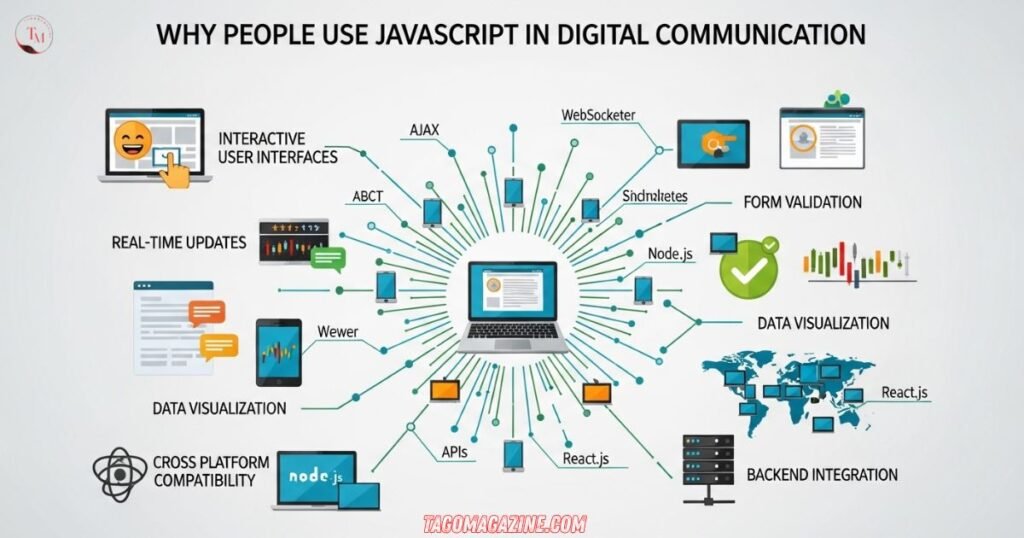
People use texting slang like JS mainly because modern conversations are fast and informal. In online chat abbreviations, tone matters just as much as words.
Here’s why JS became popular:
- It makes messages sound less aggressive
- It helps avoid misunderstandings
- It keeps conversations short and quick
- It adds a casual vibe to opinions
In simple terms, JS → reduces emotional pressure in messages.
For example:
“You’re wrong.” sounds harsh
“You’re wrong, js.” sounds softer
That tiny difference is why casual texting language evolved so heavily online.
Origin and Evolution of JS Slang
The rise of JS (just saying) is closely connected to how internet slang developed over time.
Earlier, people used full phrases like “just saying” in conversations to reduce tension or soften advice. But as text messaging (SMS) became popular, shorter expressions were needed.
So naturally:
- “Just saying” → shortened to “js”
- Faster typing became necessary
- Online chats encouraged abbreviations
Platforms like social media platforms, chat apps, and forums helped spread it widely. Over time, JS slang definition became a standard part of informal communication.
Interestingly, this evolution shows a clear semantic relationship:
Digital communication → drives → abbreviation usage like JS
How JS Is Used in Real Conversations
The meaning of js in chat depends heavily on context. It’s not fixed to one emotion. It can feel friendly, sarcastic, or even slightly passive depending on how it’s written.
1. Giving soft opinions
“You might want to double-check that, js.”
2. Light criticism
“That outfit doesn’t really match, js.”
3. Friendly advice
“You should try resting early tonight, js.”
4. Casual observations
“That meeting was longer than needed, js.”
5. Humor or sarcasm
“That was the easiest test ever… js.”
So basically, js = tone softener in digital messages
JS Meaning Across Social Media Platforms
One interesting thing about online chat abbreviations is that their tone can slightly change depending on the platform.
| Platform | Usage Style of JS | Interpretation |
|---|---|---|
| WhatsApp / SMS | Personal and direct | Friendly advice or opinion |
| Instagram / DMs | Casual and expressive | Soft opinions, humor |
| Twitter (X) | Short and sharp | Sarcasm or commentary |
| TikTok comments | Trend-driven | Humorous or relatable tone |
So yes, js meaning in Instagram DM may feel more casual, while on Twitter it might sound more ironic or sarcastic.
Emotional Meaning Behind JS in Texting
On an emotional level, JS abbreviation in texting plays an interesting role.
It helps balance communication when someone doesn’t want to sound too strong or emotional.
JS is often used when someone:
- Doesn’t want to sound rude
- Wants to soften honesty
- Avoids arguments
- Feels unsure how message will be received
This connects with a key semantic relationship:
Tone in messaging → determines → interpretation of JS
So JS is not just slang, it’s actually a communication strategy.
JS vs Other Similar Internet Slang
To understand js meaning in text, it helps to compare it with similar slang terms used in casual communication style.
| Term | Meaning | Tone |
|---|---|---|
| JS | Just saying | Soft, neutral |
| IMO | In my opinion | Personal viewpoint |
| TBH | To be honest | Direct honesty |
| FYI | For your information | Informational |
| Lowkey | Slightly / secretly | Subtle emotion |
Among all of these, JS is the least confrontational and most casual.
Common Misunderstandings About JS Meaning in Text
A lot of confusion around js slang definition comes from how flexible it is.
1. People think it is always sarcastic
Not true. It depends on context and tone.
2. People think it is rude
Actually, JS is usually meant to soften a message, not attack.
3. People confuse it with JavaScript
In tech, JS = JavaScript, but in texting, it means “just saying.”
4. People think it ends conversations
It doesn’t. It often invites response or discussion.
So yes, context in messaging → determines → JS meaning clearly
Why JS Matters in Modern Communication
In today’s world, most communication happens through digital communication channels like texting and social media. That means tone can easily be misunderstood.
Understanding js meaning in text message helps you:
- Avoid misreading emotions
- Reply more naturally
- Understand online slang better
- Communicate like a native digital user
- Stay updated with internet slang examples
Basically, it makes you more fluent in modern conversation style.
And honestly, small words like JS carry more emotional weight than people think.
Topical Gap: Psychology Behind JS in Texting
One thing many explanations miss is the psychology behind why JS works so well in messaging.
Humans naturally avoid conflict in digital communication. Since text lacks voice tone and facial expression, people use abbreviations like JS to reduce emotional risk.
Here’s what’s happening mentally:
- People want to express truth
- But also avoid sounding harsh
- So they add “js” as emotional cushioning
This creates a balance between honesty and politeness.
So in psychological terms:
JS → acts as emotional buffer in digital communication
That’s why it feels so natural in chats, even if people don’t consciously think about it.
Another Gap: Platform-Based Interpretation Differences
Another missing detail is how JS meaning in chat changes slightly across platforms and audience groups.
For example:
- Among Gen Z users, JS is casual and almost automatic
- Among older users, it may feel unclear or unnecessary
- In professional chats, it is usually avoided
- In meme culture, it can be sarcastic or exaggerated
So yes, audience and platform shape interpretation a lot.
Real-Life Situations Where JS Appears

Here are some real-world relatable examples of texting slang JS:
- Friend giving advice: “You should go talk to her, js.”
- Coworker message: “That report needs revision, js.”
- Social media comment: “That movie wasn’t that great, js.”
- Family chat: “Maybe we leave early tomorrow, js.”
Each time, the meaning stays similar but emotional tone shifts slightly.
Key Takeaways About JS Meaning in Text
- JS = Just saying in most texting contexts
- It is part of internet slang and casual texting language
- It helps soften opinions and reduce conflict
- It changes tone depending on platform and context
- It is not formal English and should be avoided in professional writing
FAQs
1. What does JS mean in text messages?
JS means “just saying.” It is used in casual texting to express an opinion lightly without sounding forceful or argumentative. It helps soften statements and makes communication feel more relaxed and less serious.
2. Is JS rude or sarcastic in chat?
Not always. JS is usually neutral or soft. However, depending on tone and context, it can sound slightly sarcastic. Most of the time, it simply means the person is sharing an opinion casually without intending offense.
3. Where is JS commonly used online?
JS is commonly used in SMS texting, WhatsApp chats, Instagram DMs, Twitter (X) posts, and other social media platforms. It appears mostly in informal communication between friends or online communities.
4. Does JS mean the same in every context?
No, meaning depends on context. In texting, it means “just saying,” but in programming, JS refers to JavaScript. So understanding context is important to interpret it correctly.

Tonyjames is an expert blogger specializing in grammar, helping readers write with clarity and confidence. With a keen eye for detail and a passion for language, he simplifies complex rules into practical tips you can apply every day to improve your writing skills.