
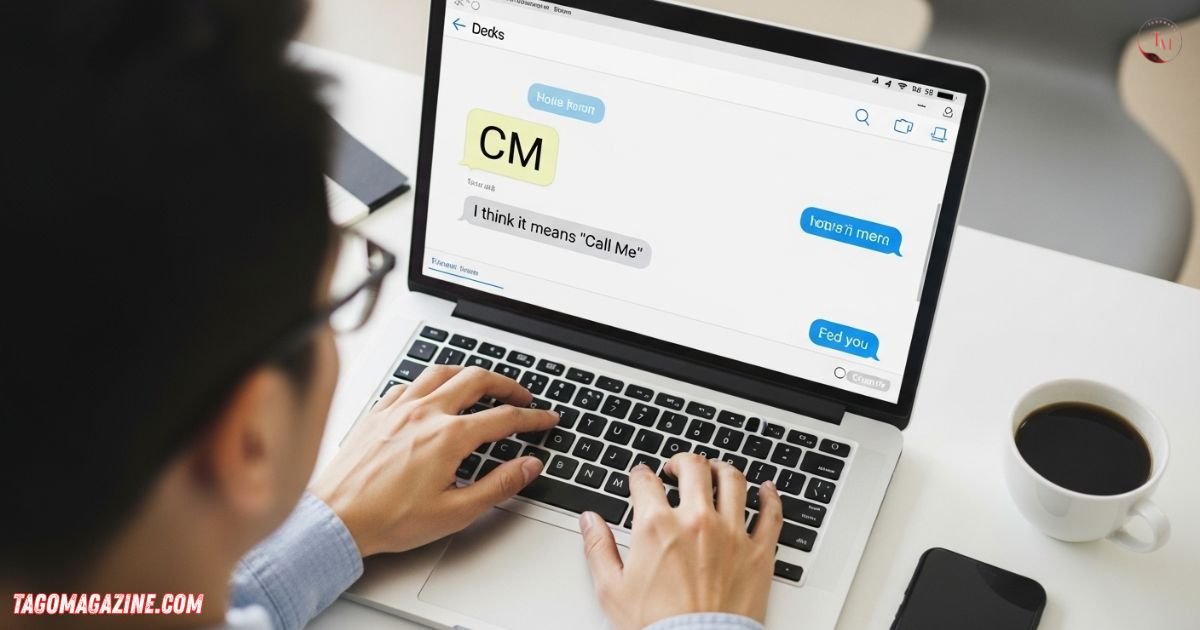
Ever received a message that simply says “cm” and paused, wondering what just happened? You’re not alone, honestly. The phrase CM meaning in text is one of those confusing little abbreviations that can instantly change the tone of a conversation. In today’s fast-moving digital communication world, even two letters can carry urgency, emotion, or just a casual request—and yeah, that’s kinda wild.
What Does CM Mean in Text?
CM means “Call Me.”
It’s a quick, informal way to ask someone to switch from texting to a phone call. People use it when typing a full sentence feels unnecessary, or when the message needs a more personal touch.
For example:
- “Hey, got something important… cm.”
- “Can’t explain here, cm asap.”
- “Free right now? cm.”
Here’s the simple truth:
CM → means → Call Me
This abbreviation works because texting slang → simplifies → communication speed. Instead of long explanations, users rely on short forms that deliver the message instantly, even if it feels a bit abrupt sometimes.
Why “CM” Became So Popular in Text Messaging
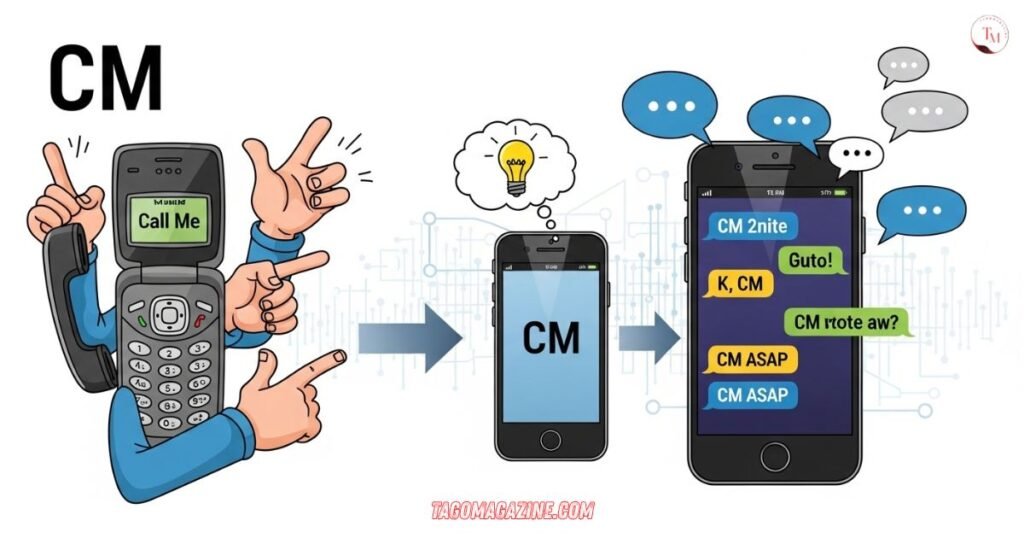
The popularity of texting slang like CM didn’t just appear randomly. It evolved with early SMS language, where messages had strict character limits. Back then, every letter mattered, so people got creative.
Texting slang → evolved from → SMS character limits
Even though modern smartphones don’t have those limits anymore, the habit stuck. People still prefer quick, efficient communication. It’s faster, feels natural, and honestly, we’re all a bit impatient now.
Here’s why CM stayed relevant:
- Saves time during conversations
- Fits casual and semi-professional chats
- Signals urgency without long explanations
So yeah, it’s not just laziness—it’s efficiency.
How CM Is Used in Daily Conversations
You’ll see CM in text messages, social apps, and even casual workplace chats. Its usage depends on context, and that’s where things get interesting.
CM → used for → requesting a phone call
Common scenarios include:
- Urgent situations: “Something happened. cm now.”
- Emotional talks: “I need to talk… cm please.”
- Work-related chats: “We should discuss this. cm after 6?”
- Friendly catch-ups: “Long time no talk, cm sometime!”
Notice something? It’s short, direct, and slightly demanding—but not rude. Just efficient.
Emotional Meaning Behind “CM” (It’s Not Just Two Letters)
At first glance, CM looks simple, almost robotic. But emotionally, it can carry a lot more weight than you’d expect.
When someone says “cm,” they might actually mean:
- This is urgent
- This is important
- I need privacy
- I want real conversation
Sometimes texting just doesn’t cut it. A phone call adds tone, emotion, and clarity. So yeah, that tiny abbreviation can actually say, “This matters more than typing.”
Other Possible Meanings of CM (Context Matters A Lot)
Even though CM usually means “Call Me,” it can have other meanings depending on the situation.
Here’s a quick breakdown:
| Context | Meaning of CM |
|---|---|
| Casual texting | Call Me |
| Academic discussions | Centimeter |
| Names or titles | Initials (e.g., CM = person’s name) |
Context → determines → meaning of abbreviations
So if someone texts “cm,” don’t panic. Look at the conversation first. In 99% of casual chats, it still means “Call Me.”
CM vs Other Similar Texting Abbreviations
People often confuse CM with other internet slang terms. But they’re not the same, and mixing them up can lead to awkward replies.
Here’s a simple comparison:
| Abbreviation | Meaning | Key Difference |
|---|---|---|
| CM | Call Me | Specifically asks for a phone call |
| HMU | Hit Me Up | General contact, not necessarily a call |
| DM Me | Direct Message Me | Private message, not voice |
| ASAP Call | Call immediately | More urgent than CM |
| Ping Me | Send a message | Not a call request |
The key idea:
CM → suggests → voice communication
So when you see CM, expect a phone call, not just another text.
Where CM Is Commonly Used Online
You’ll find CM meaning in text across multiple platforms. It’s not limited to just SMS anymore.
Popular platforms include:
- Instagram DMs
- Facebook Messenger
- Snapchat
- Casual workplace tools like Slack
Each platform has its own vibe, but CM stays consistent. It’s always informal, quick, and slightly urgent.
Platform-Specific Usage of CM (Topical Gap Covered)
Different platforms change how CM feels, even if the meaning stays the same. This is where most articles don’t go deep enough, but it matters.
CM on WhatsApp
On WhatsApp, CM often feels personal. It’s used between friends, family, or close colleagues. Messages like “cm now” usually signal urgency or emotional importance.
CM on Instagram & Snapchat
Here, CM is more casual. It might mean “call me later” rather than “call me right now.” Tone depends heavily on the relationship.
CM in Workplace Chats (Slack, Teams)
In professional settings, CM can feel slightly abrupt. People might prefer “Please call me” instead, but CM still appears in informal team chats.
So yeah, same abbreviation—but different emotional weight depending on where you see it.
CM vs “Call ASAP” vs “Ring Me” (Deep Comparison Gap)
Let’s break this down properly, because most people misunderstand the differences.
- CM (Call Me): Neutral request, can be urgent or casual
- Call ASAP: Clearly urgent, no delay expected
- Ring Me: More common in British English, slightly polite
- Voice Note Request: Less formal, used when typing is inconvenient
Here’s the key takeaway:
Different abbreviations → signal → different urgency levels
Using the wrong one can change how your message feels. For example, “cm” feels lighter than “call ASAP,” even if both ask for a call.
Common Misunderstandings About CM
Even though it’s simple, people still get confused about CM meaning in text.
Here are common myths:
- It always means centimeter (Nope, not in chats)
- It’s rude because it’s short (Not really)
- It’s only for young people (Actually, everyone uses it now)
- It always signals bad news (Sometimes, but not always)
Understanding contextual meaning is everything. Without it, even simple texts can feel confusing.
Why Understanding CM Meaning in Text Matters
You might think, “It’s just two letters, why does it matter?” But here’s the thing—digital communication → relies on → short forms and acronyms.
Misunderstanding something like CM can lead to:
- Missed important calls
- Misinterpreted tone
- Awkward replies
- Delayed communication
In a world where conversations happen in seconds, clarity is power. Knowing these small details keeps you connected, and honestly, a bit smarter than the average texter.
Real-Life Examples of CM in Text Conversations
Let’s make this practical. Here are real-world examples you might see:
- “Can’t type everything here. cm.”
- “Interview update—cm for details.”
- “Hey, miss talking to you… cm tonight?”
- “Something urgent came up. cm ASAP.”
- “Reached home safe. cm when free.”
See how flexible it is? It works in emotional, casual, and even professional contexts.
Final Thoughts: The Real Truth About CM in Text
At first glance, CM looks like just another random abbreviation. But when you look closer, it’s actually a powerful tool in modern communication slang. It saves time, adds urgency, and shifts conversations from text to voice instantly.
Understanding CM meaning in text isn’t about memorizing slang. It’s about adapting to how people communicate today. Language evolves, and if you keep up, you stay connected—simple as that.
FAQs
What does CM mean in text messages?
CM means “Call Me.” It’s a short and informal way to ask someone to switch from texting to a phone call. The tone depends on context, it can feel urgent, emotional, or just casual.
Is CM rude or polite in texting?
CM is generally neutral and not rude. It’s simply efficient. However, in formal or professional situations, writing “Please call me” may sound more polite and appropriate than using abbreviations.
Where is CM mostly used?
CM is commonly used in WhatsApp, Instagram, Snapchat, and SMS conversations. It also appears in informal workplace chats, but less often in professional emails or formal communication settings.
Can CM mean something else besides Call Me?
Yes, CM can also mean “centimeter” in academic contexts or represent initials of a name. However, in casual texting, it almost always means “Call Me,” especially in personal conversations.

Tonyjames is an expert blogger specializing in grammar, helping readers write with clarity and confidence. With a keen eye for detail and a passion for language, he simplifies complex rules into practical tips you can apply every day to improve your writing skills.