
Ever opened a message and saw “JSP” sitting at the end… and paused for a second? You’re not alone. The phrase What Does JSP Mean has become one of the most searched questions in modern texting culture, and honestly, it makes sense. Slang evolves fast, sometimes faster than we can keep up.
In simple terms, JSP means “Just Saying, Period.” But there’s more to it than just a definition. This tiny abbreviation carries tone, attitude, and sometimes even a little edge. If you don’t understand how it works, you might misread the whole conversation.
Let’s break it down properly so you actually get it and use it the right way.
What Does JSP Mean in Texting?
JSP stands for “Just Saying, Period.” It is used to express a final opinion or statement with confidence. People usually add it at the end of a sentence to show they’re done explaining or debating.
In simple language, it’s like saying:
- “That’s my point.”
- “I’ve said what I needed to say.”
- “End of discussion.”
Here’s a quick example:
“You never reply on time, JSP.”
In this case, the speaker is not inviting debate. They’re making a firm statement, and that’s it. No back-and-forth needed… or at least, that’s the intention.
JSP Meaning Explained in Digital Communication
In modern digital communication, tone is everything, even when you’re just typing. That’s where JSP slang meaning becomes interesting.
JSP → expresses → final opinion or emphasis
It doesn’t just end a sentence. It adds attitude. Depending on how it’s used, it can sound:
- Confident
- Playful
- Sarcastic
- Slightly passive-aggressive
That’s why understanding tone & context in messaging matters so much. The same word can feel totally different based on how it’s delivered.
For example:
- “That show was boring, JSP 😂” → playful
- “That show was boring, JSP.” → serious
See the difference? Subtle, but powerful.
JSP Full Form vs Technical Meaning (Don’t Get Confused)
Here’s where things get a bit tricky.
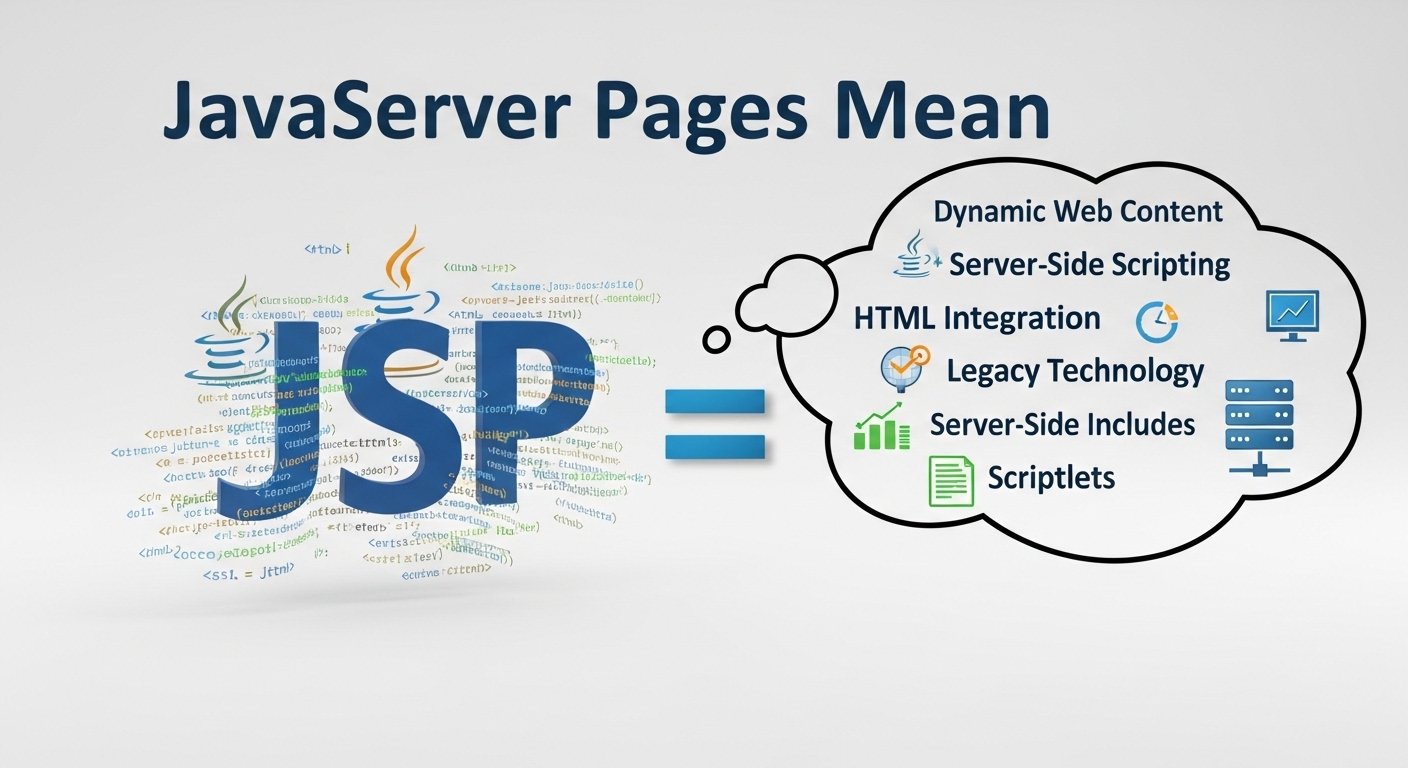
While JSP → stands for → Just Saying, Period in texting, it also has a completely different meaning in tech.
JSP → can mean → JavaServer Pages
Quick Comparison Table
| Context | Meaning | Usage |
|---|---|---|
| Texting / Social Media | Just Saying, Period | Expressing opinions |
| Web Development | JavaServer Pages | Building dynamic websites |
So yeah, same letters… totally different worlds. If you’re reading a coding article, it’s technical. If you’re on TikTok or chatting, it’s slang. Easy rule.
Where Is JSP Commonly Used?
You’ll mostly see JSP abbreviation in texting across different platforms where people communicate quickly and casually.
Social Media Platforms
On apps like TikTok, Instagram, and Twitter, people use JSP to end bold opinions. It’s part of social media lingo, especially among younger users.
Example:
“That trend is overrated, JSP.”
Gaming Culture
Inside gaming communities like Discord or Twitch, JSP adds a competitive tone.
Example:
“I carried the whole team, JSP.”
Here, it’s less about opinion and more about confidence or bragging rights. And yeah, gamers love that energy.
Everyday Texting
In normal chats, JSP fits naturally into message shorthand.
Example:
“You should’ve told me earlier, JSP.”
It’s short, expressive, and saves time. That’s why it’s popular in chat acronyms and SMS abbreviations.
How to Use JSP in Text Messages the Right Way
Using JSP isn’t complicated, but using it correctly takes a bit of awareness.
Here’s how you can do it naturally:
1. Use It to End Strong Opinions
If you want to sound confident, JSP works great.
Example:
“That movie wasn’t worth it, JSP.”
2. Keep Tone in Mind
Tone can change everything. Seriously, everything.
- Add emojis → softer tone
- Use periods → stronger tone
3. Avoid Overusing It
If you use JSP in every sentence, it loses impact. And honestly, it might annoy people too.
4. Don’t Use in Professional Settings
This one’s important.
Avoid using JSP in:
- Emails
- Work chats
- Formal communication
Instead, use phrases like:
- “In my opinion”
- “To conclude”
Professional tone matters, even if it feels boring sometimes.
JSP vs Other Chat Acronyms (Quick Comparison)
There are many common texting terms similar to JSP, but each has a slightly different tone.
Comparison Table
| Term | Full Form | Tone | Example |
|---|---|---|---|
| JSP | Just Saying, Period | Strong / Final | “You were late, JSP.” |
| JS | Just Saying | Light / Open | “JS, you could try again.” |
| TBH | To Be Honest | Honest / Casual | “TBH, I liked it.” |
| IMO | In My Opinion | Polite | “IMO, that’s better.” |
So yeah, JSP sits at the bold end of the spectrum. It’s not aggressive by default, but it can feel that way depending on context.
Is JSP Rude in Texting?
Short answer: It depends on tone and relationship.
Tone & Context → determine → whether JSP sounds rude or playful
With friends, it’s usually harmless. Sometimes even funny.
But in serious conversations, it can feel:
- Dismissive
- Final
- Slightly confrontational
Example:
“You never listen, JSP.”
That doesn’t exactly invite a calm discussion, right?
So before using it, ask yourself:
- Who am I talking to?
- What’s the mood?
That quick check can save you from awkward situations.
Real Conversation Examples of JSP
Let’s look at how JSP in online conversations actually plays out.
- Friendly: “You always forget my birthday, JSP 😂”
- Opinion: “Pineapple doesn’t belong on pizza, JSP.”
- Serious: “You need to be honest with her, JSP.”
Each one feels different, even though the structure is the same. That’s the magic (and danger) of internet slang meanings.
The Psychology Behind JSP Tone (Hidden Impact Most Ignore)
Here’s something competitors barely touch… but it matters a lot.
When you use JSP, you’re not just ending a sentence. You’re signaling emotional closure.
Psychologically, it tells the reader:
- “I’m done explaining.”
- “I’m confident in this.”
- “I’m not inviting debate.”
This can trigger different reactions:
- Respect (confidence)
- Frustration (feels dismissive)
- Humor (if tone is light)
Even punctuation changes perception:
- “JSP” → neutral
- “JSP.” → firm
- “JSP 😂” → playful
Small changes… big impact. That’s how digital communication terms really work.
How to Respond to JSP Without Making Things Awkward
Knowing how to respond to JSP is just as important as using it.
Here are some simple strategies:
Match the Tone
If it’s playful, respond playfully.
Example:
“Okay okay, JSP accepted 😄”
Stay Neutral in Tense Situations
Don’t escalate things.
Example:
“Got it, I understand your point.”
Use Humor When Appropriate
Light humor can defuse tension.
Example:
“JSP? Sounds serious today 😅”
Ask for Clarification (If Needed)
Sometimes, it’s better to keep the conversation open.
Example:
“Do you really feel that way?”
Evolution of JSP in Internet Slang Culture
JSP → used in → texting and social media conversations
Like most internet slang, JSP didn’t appear overnight. It evolved.
Back in early texting days, people used:
- JS (Just Saying)
- TBH
- IMO
Then came JSP, adding more emphasis.
Over time, it became part of:
- Gen Z communication style
- Online slang evolution
- Texting culture trends
Today, it’s widely used across platforms, from memes to casual chats. And honestly, it’s still evolving.
When NOT to Use JSP (Important)
Even though JSP is useful, there are times you should avoid it.
Don’t use JSP when:
- You’re resolving a conflict
- You’re talking to someone formally
- The topic is sensitive
Why? Because it can shut down conversation instead of helping it.
Better alternatives:
- “I think…”
- “From my perspective…”
Simple, but way more effective in serious situations.
FAQ Section
What does JSP mean in texting?
JSP means “Just Saying, Period.” It’s a texting abbreviation used to express a final opinion or statement. People use it to sound confident and signal that they’ve finished making their point.
What does JSP stand for in chat?
In chat, JSP stands for “Just Saying, Period.” It emphasizes a strong opinion or conclusion. However, in technical contexts, JSP can also mean JavaServer Pages, so understanding context is important.
Is JSP rude in messages?
JSP is not always rude. It depends on tone and context. In casual conversations, it can sound playful or confident. In serious discussions, it may come across as dismissive or final.
How do you reply to JSP?
You can respond based on tone. Use humor in casual chats, stay neutral in serious ones, or acknowledge the statement politely. Matching the tone helps keep conversations smooth and avoids misunderstandings.

Tonyjames is an expert blogger specializing in grammar, helping readers write with clarity and confidence. With a keen eye for detail and a passion for language, he simplifies complex rules into practical tips you can apply every day to improve your writing skills.