
You’ve probably seen the word “feining” pop up in texts, TikTok captions, or casual chats, and yeah, it can feel confusing at first. So what does it really mean? Feining: Understanding the Slang, Signs, and Connection is all about unpacking this powerful term that blends street slang, psychology, and even drug addiction science. And honestly, it’s not just about drugs anymore, it goes way deeper than that.
What Does Feining Mean in Slang?
Feining means having an intense craving or overwhelming desire for something, often so strong it feels hard to control. While it’s commonly used casually today, its roots are actually tied to substance withdrawal and addiction behavior.
In simple words, when someone says they’re “feining,” they’re expressing a strong urge, like:
- “I’m feining for coffee”
- “He’s feining for attention”
- “She’s feining for that promotion”
But here’s the thing, the meaning shifts based on context. In serious situations, feining → refers to → intense cravings linked to drug addiction, which is a whole different level.
Feining vs Fiending vs Feigning: Key Differences
People mix these terms up all the time, and honestly, it’s easy to see why. But each one has a distinct meaning, and getting it right matters for both SEO and clarity.
| Term | Meaning | Usage Context |
|---|---|---|
| Fiending | Correct term for intense craving, especially drugs | Addiction, psychology |
| Feining | Slang/misspelling of fiending | Casual + urban slang |
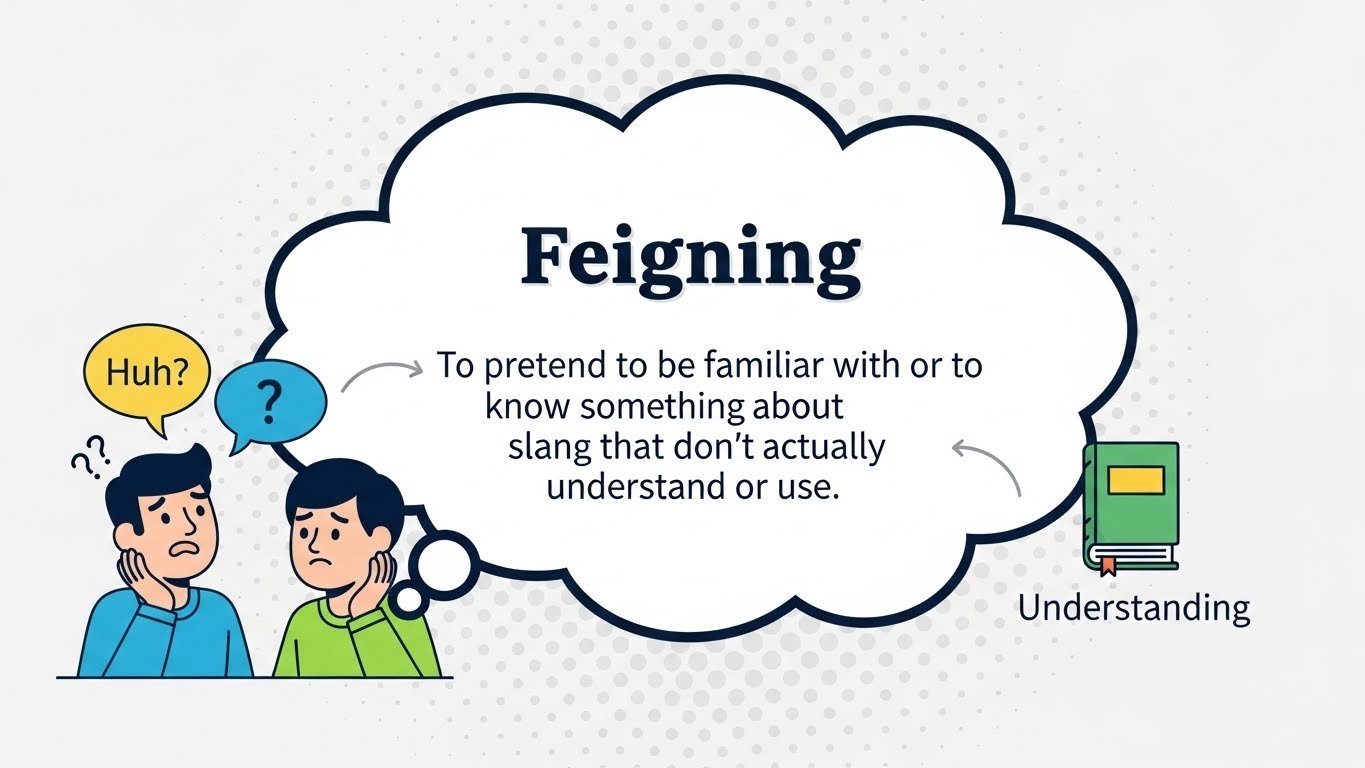
| Feigning | Pretending or faking something | Formal English |
Fiending → describes → physiological and psychological dependence, while feigning → means → pretending, which is totally unrelated.
So yeah, while “feining” is technically incorrect, it’s widely accepted in modern slang culture.
Origins and Cultural Evolution of Feining
The word didn’t just appear overnight, it has deep cultural roots. Originally, feining emerged from urban drug culture, where it described the desperate state of individuals going through withdrawal symptoms.
Later on, hip-hop culture helped push it mainstream. Artists used it to describe cravings for:
- Success
- Money
- Power
Over time, urban slang evolution → expanded → feining beyond drugs, and now it’s used across:
- Social media
- Gaming communities
- Fitness culture
It’s kinda wild how a word tied to addiction became everyday slang, right?
The Science Behind Feining: Why Cravings Feel So Powerful
At its core, feining isn’t just emotional, it’s neurological. The brain literally rewires itself during addiction, making cravings feel like survival needs.
The Brain’s Reward System Explained
Drug addiction → alters → brain reward system, and this change revolves around dopamine, a key neurotransmitter.
Here’s what happens:
- Drugs trigger massive dopamine release
- The brain reduces natural dopamine production
- Normal activities stop feeling rewarding
This leads to a loop where dopamine imbalance → causes → compulsive cravings.
Key Brain Regions Involved
| Brain Area | Function | Role in Feining |
|---|---|---|
| Basal Ganglia | Reward processing | Reinforces drug-seeking behavior |
| Extended Amygdala | Stress response | Triggers anxiety during withdrawal |
| Prefrontal Cortex | Decision-making | Weakens impulse control |
So basically, withdrawal symptoms → trigger → drug-seeking behavior, making it extremely difficult to stop.
Physical and Psychological Signs of Feining
When someone is truly feining for drugs, the symptoms go beyond simple desire. It becomes a full-body experience, both physically and mentally.
Physical Symptoms
- Tremors and muscle spasms
- Excessive sweating
- Nausea and vomiting
- Dilated pupils
- Fatigue and insomnia
Psychological Symptoms
- Anxiety and paranoia
- Mood swings and irritability
- Compulsive behavior
- Confusion or disconnection
These symptoms show how substance dependence → drives → intense cravings and behavior changes.
Why Feining Feels Impossible to Control
This is where things get real. Many people think it’s about willpower, but that’s not the full story.
Addiction rewires the brain, especially the prefrontal cortex, which controls decision-making. When this area weakens, resisting urges becomes extremely difficult.
People experiencing feining often report:
- Time distortion (minutes feel like hours)
- Hyper-awareness of triggers
- Risky behavior just to satisfy cravings
In short, drug addiction → reduces → rational thinking ability, which explains why people act out of character.
What Happens If Feining Continues?
Ignoring chronic feining can lead to serious consequences, and yeah, some of them are life-threatening.
Long-Term Risks Include:
- Organ damage (liver, heart, kidneys)
- Severe depression
- Cognitive decline
- Overdose risk
Over time, substance withdrawal → worsens → physical and mental health, making recovery harder.
How to Stop Feining: Proven Recovery Approaches
Breaking free from feining is possible, but it usually takes a combination of medical and psychological support.
Effective Treatment Options
- Medical Detox
Helps safely manage withdrawal symptoms under supervision - Cognitive Behavioral Therapy (CBT)
CBT → helps → manage addiction and cravings by changing thought patterns - Medication-Assisted Treatment (MAT)
Reduces cravings and stabilizes brain chemistry - Support Groups
Community-based recovery builds accountability and emotional support
Recovery isn’t linear, and yeah, it takes time, but the brain can heal through neuroplasticity.
Feining Beyond Drugs: Modern Slang and Everyday Use
Here’s where things get interesting. Today, feining isn’t limited to addiction anymore, it’s used in everyday conversations.
You’ll hear things like:
- “I’m feining for likes on my post”
- “He’s feining for validation”
- “I’m feining for that late-night snack”
This shows how modern slang → transforms → serious terms into casual expressions.
But still, context matters a lot. Using it casually is fine, but understanding its deeper meaning is important too.
Topical Gap: Feining in Digital Culture and Gen Z Slang
Most articles barely touch this, but Gen Z and social media have completely reshaped the meaning of feining.
On platforms like TikTok and Instagram:
- “Feining” often means obsession
- It’s used humorously or exaggerated
- Memes amplify its emotional intensity
For example:
- “I’m feining for that new drop”
- “We all feining for summer vibes”
So yeah, in digital culture, feining → evolves → expressive slang for strong desire, not necessarily addiction.
Topical Gap: Practical Ways to Manage Everyday “Feining”
Not all feining is dangerous. Sometimes it’s just everyday cravings, and managing them is actually pretty doable.
Simple Coping Strategies
- Delay the urge (wait 10–15 minutes)
- Replace with a healthier alternative
- Stay hydrated and eat properly
- Practice mindfulness or breathing exercises
These small actions help regulate dopamine levels naturally, reducing the intensity of cravings.
Key Takeaways You Should Remember
- Feining refers to intense cravings, often linked to addiction
- It’s commonly confused with fiending and feigning
- Drug addiction alters the brain reward system, making cravings powerful
- Modern slang has expanded its meaning beyond drugs
- Recovery is possible with therapy, detox, and support
FAQs About Feining
What does feining mean in slang?
Feining means having a strong craving or desire for something. It’s often used casually today, but originally referred to intense drug cravings. While it’s technically a misspelling of “fiending,” it’s widely accepted in modern slang and digital conversations.
Is feining always related to drugs?
No, not always. While feining originally described drug cravings, it’s now used for everyday desires like food, attention, or success. However, in medical or psychological contexts, it still strongly relates to substance dependence and withdrawal symptoms.
What’s the difference between feining and fiending?
Fiending is the correct term for intense cravings, especially related to addiction. Feining is a common slang variation or misspelling. Both are used interchangeably in casual language, but fiending is more accurate in formal or medical discussions.
Can feining be controlled without treatment?
Mild feining, like cravings for food or habits, can be managed with simple strategies like mindfulness or delay techniques. However, addiction-related feining often requires professional help, including therapy or medical detox, for effective and safe recovery.

Tonyjames is an expert blogger specializing in grammar, helping readers write with clarity and confidence. With a keen eye for detail and a passion for language, he simplifies complex rules into practical tips you can apply every day to improve your writing skills.